
Introduction: The Silent Revolution of Artificial Intelligence
Artificial Intelligence (AI) has rapidly evolved from a futuristic concept into an integral part of our daily lives. While many associate AI with sci-fi movies or complex algorithms in tech labs, its influence is now woven into the very fabric of how we work, communicate, shop, and even think. From personalized recommendations to smart assistants, AI is subtly shaping the world around us, improving convenience, efficiency, and even decision-making. In this blog post, we’ll delve into how AI is transforming our everyday experiences and the future possibilities that lie ahead.
AI in Personal Assistants: Making Life Simpler
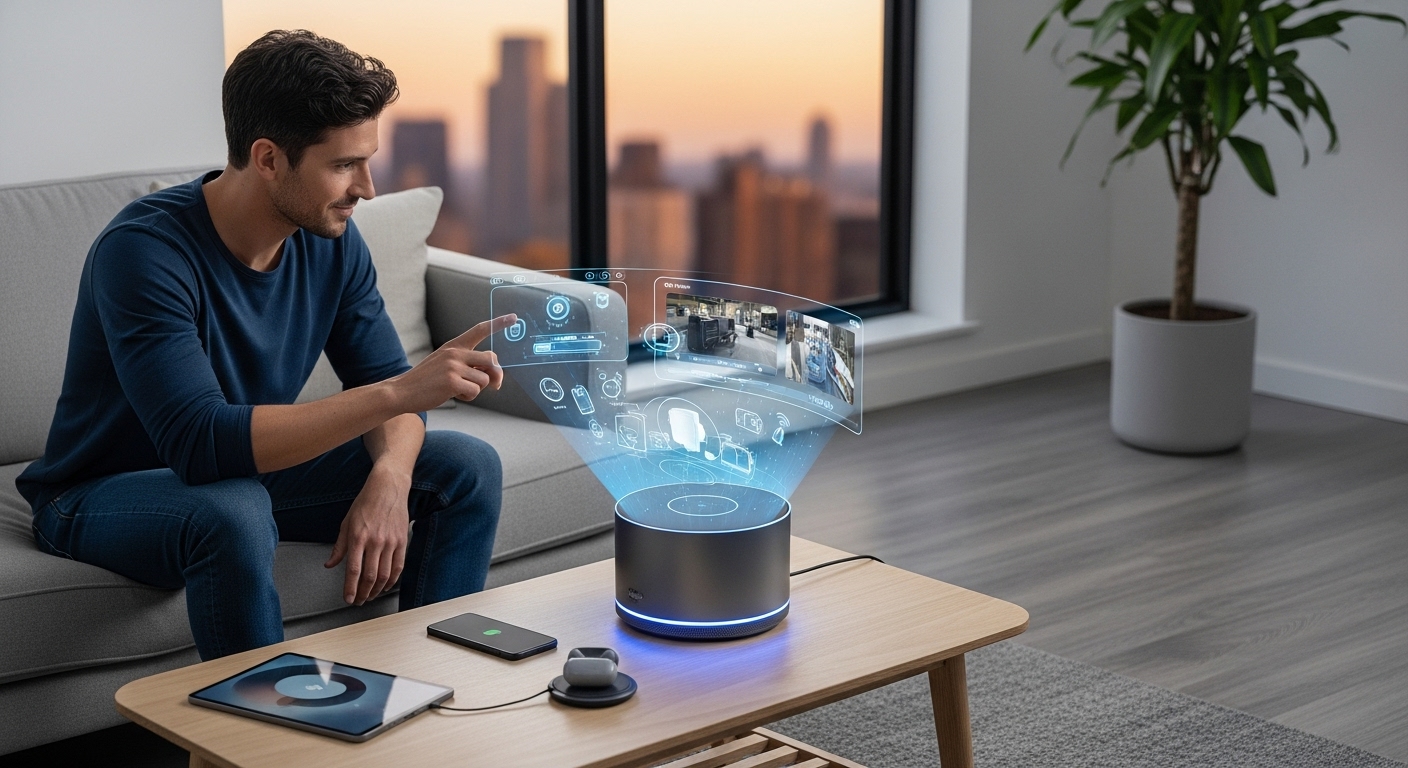
The most visible form of AI for many people is through personal assistants like Siri, Alexa, and Google Assistant. These voice-activated tools are no longer just novelty gadgets; they’ve become central to daily routines. Whether you need to set reminders, check the weather, or control smart home devices, these AI-powered assistants have become indispensable.
What makes these assistants truly smart is their ability to learn from user behavior. Over time, they get better at anticipating needs, improving their responses, and providing a more personalized experience. For instance, if you often ask for traffic updates before your morning commute, your assistant might preemptively notify you of delays. The ability of AI to understand and predict patterns is changing the way we interact with technology, making it feel less like a machine and more like a personal helper.
AI in Shopping: The Personalization Revolution
Online shopping has exploded in recent years, and at the heart of this surge lies AI. The days of browsing through endless pages of products are over. Now, AI helps streamline the shopping experience by offering personalized recommendations based on your browsing history, preferences, and even social media activity.
Retailers like Amazon use AI to suggest items you may like, ensuring that every shopping session is tailored specifically to your tastes. Similarly, fashion platforms use AI to recommend clothing based on your previous purchases, body type, and even current fashion trends. The ability to quickly filter out irrelevant options and hone in on exactly what you’re looking for not only saves time but also makes the entire shopping experience more enjoyable.
AI in Healthcare: Redefining Patient Care
One of the most exciting areas where AI is making waves is in healthcare. From diagnosing diseases to developing treatment plans, AI is revolutionizing patient care. Machine learning algorithms are now capable of analyzing vast amounts of medical data to identify patterns that human doctors might miss. These systems can assist in diagnosing conditions like cancer, heart disease, and even rare genetic disorders with remarkable accuracy.
AI is also being used in the development of personalized treatments. By analyzing a patient’s genetic makeup and health history, AI can recommend the most effective treatment options. Moreover, AI-powered robots are already assisting in surgeries, offering precision that can significantly reduce recovery time and improve patient outcomes.
AI in Transportation: Shaping the Future of Travel
Autonomous vehicles are perhaps the most talked-about AI application in the transportation sector. Companies like Tesla, Waymo, and others are developing self-driving cars that promise to reduce accidents, ease traffic congestion, and improve mobility for those unable to drive. These vehicles use AI to process data from sensors, cameras, and radar, enabling them to navigate roads, avoid obstacles, and even predict traffic patterns.
While fully autonomous vehicles are still in development, AI is already making an impact in other areas of transportation. For example, AI-powered apps like Uber and Lyft use machine learning algorithms to predict demand, calculate fares, and optimize driver routes. This leads to quicker rides, better service, and more efficient transportation networks in cities worldwide.
AI in Content Creation: Redefining Creativity
AI’s impact is not limited to productivity tools or decision-making—it is also making a significant mark on creative industries. Content creation, which once required a significant amount of time, skill, and effort, is now being streamlined by AI. Whether it’s generating text, music, or even artwork, AI is offering new ways for creators to express themselves and reach audiences.
For example, AI-powered tools like GPT-3 can write articles, blogs, or even poetry with minimal human input. Music composition software now uses AI to generate original tracks based on inputted preferences, while AI algorithms are also capable of producing realistic visual art. While many argue that AI can’t fully replace human creativity, there’s no denying that it’s opening up exciting new possibilities for content creators, allowing them to experiment with novel ideas and push the boundaries of their craft.
AI and Privacy: The Double-Edged Sword
As AI continues to integrate into our lives, it raises significant questions about privacy and data security. Every interaction with an AI-powered device or service generates data, whether it’s your location, preferences, or personal habits. While this data allows AI systems to function more effectively, it also creates opportunities for misuse.
For instance, the personal data collected by AI can be exploited for targeted advertising, or worse, sold to third parties without user consent. This has led to growing concerns about how our data is stored, used, and protected. As AI becomes more pervasive, finding the balance between leveraging its power and protecting individual privacy will be one of the most important challenges of the next decade.
AI in the Workplace: The Rise of Automation
The workplace is undergoing a transformation thanks to AI. Automation powered by AI is replacing manual and repetitive tasks across industries, from finance to manufacturing. This has led to more efficient workflows, cost savings, and the ability for businesses to scale faster. AI algorithms can now perform tasks like data entry, customer service, and inventory management with minimal human oversight.
While automation has made certain jobs obsolete, it has also created new opportunities. As AI handles mundane tasks, employees are freed up to focus on higher-value work, such as strategy, creativity, and decision-making. Moreover, AI is being used to enhance recruitment, streamline hiring processes, and help businesses make data-driven decisions.
The Future of AI: What’s Next?
As AI continues to evolve, the possibilities are endless. We are already seeing advancements in areas like AI-driven education tools, smart cities, and even AI-powered companions. In the future, AI could help solve some of the world’s most pressing challenges, from climate change to global healthcare disparities. However, as AI becomes more advanced, it will be crucial for society to consider its ethical implications, including job displacement, decision-making transparency, and the potential for bias in AI systems.
As we look to the future, it’s clear that AI will continue to be a transformative force, reshaping how we live, work, and interact with the world around us. Embracing its potential while addressing its challenges will be key to ensuring that AI benefits everyone, not just a select few.
Conclusion: Living with AI
Artificial Intelligence has seamlessly integrated into our daily lives, making our world smarter, more efficient, and more interconnected. From personal assistants and healthcare innovations to smarter shopping and transportation, AI is touching almost every aspect of human existence. As we move forward, AI will continue to evolve, bringing with it both new opportunities and challenges.
By embracing AI responsibly and thoughtfully, we can ensure that it continues to improve our lives, creating a future where humans and machines work together in harmony. The age of AI is just beginning, and it promises a future filled with endless possibilities.