
Introduction: A New Era of Unseen Innovation
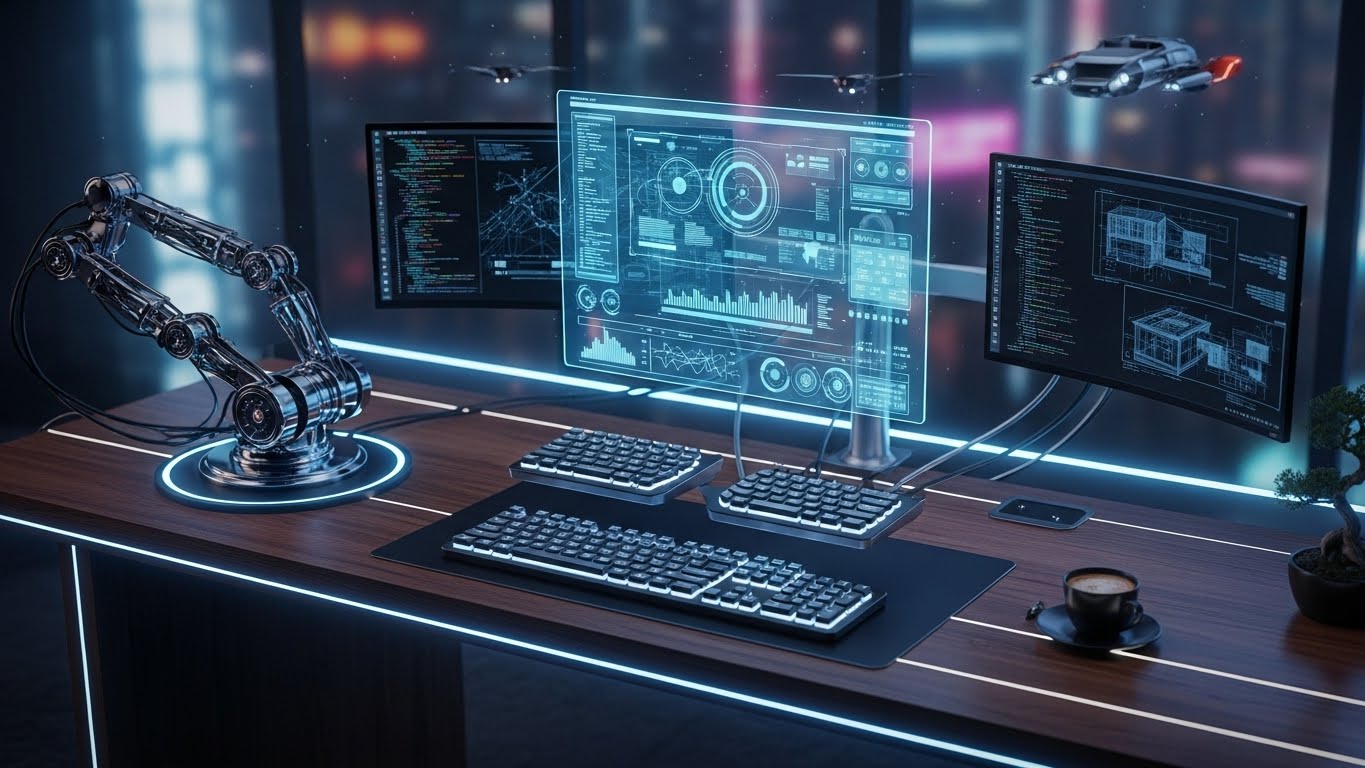
Technology has always been associated with flashy devices, powerful machines, and rapid transformation. Yet the most profound evolution happening today is largely invisible. From background algorithms to quiet automation tools, a silent revolution is unfolding—one that influences how we work, communicate, and live without demanding constant attention. This blog explores the emerging wave of subtle but transformative technologies reshaping our digital world, and why their quiet presence might be the very reason they are so powerful.
The Rise of Background Intelligence
When people think of artificial intelligence, they often imagine humanoid robots or advanced digital assistants. But in reality, the most impactful form of AI is the one running discreetly behind the scenes. Background intelligence powers personalized recommendations, smart notifications, fraud detection, and even energy management. These systems learn from patterns, adapt to user behavior, and make decisions faster than any human could.
For instance, nearly every app on your phone uses machine learning to optimize your experience. You may not see the algorithms at work, but they are constantly shaping what content you see, how quickly your device responds, and how efficiently your data is stored. This invisible support system allows technology to become more intuitive without requiring manual configuration or user involvement.
Edge Computing: Power at the Periphery
For years, cloud computing dominated the digital landscape by centralizing processing power. But now a complementary shift is taking place. Edge computing brings computational capabilities closer to the source of data—your devices, sensors, and local systems. Unlike traditional cloud services, edge computing processes information locally before sending only necessary data to remote servers.
This reduces latency, enhances privacy, and enables faster decisions. Examples include smart home devices that can adjust temperature instantly, security cameras analyzing footage in real time, and industrial machines that detect malfunctions before they occur. What makes this transformation invisible is that users rarely know how much work is happening before data ever reaches the cloud. The result is a smoother, safer, and faster experience delivered without drawing attention to itself.
Invisible Interfaces and the Move Beyond Screens
For decades, screens have been the dominant medium for digital interaction. But as technology matures, interfaces are becoming less dependent on visible elements. Voice assistants, gesture controls, and ambient computing are making it possible to interact with systems naturally, without tapping icons or opening apps.
Voice-controlled lights, gesture-based navigation in vehicles, and context-aware devices that adjust settings automatically all reflect this shift. When a system predicts your needs before you articulate them, the boundary between user and machine becomes subtle. The future of tech may not be filled with more screens, but rather environments that respond instinctively to human presence.
Automation: The Unseen Workforce of the Digital Age
Automation is not new, but its scope has expanded dramatically. What used to be limited to manufacturing and industrial settings now influences creative fields, customer service, logistics, finance, and even personal organization. Automated scheduling tools, background file organization, and intelligent email sorting handle tasks that once consumed hours of human effort.
The unseen digital workforce operates endlessly and tirelessly. It minimizes errors, accelerates workflows, and improves productivity—all without becoming intrusive. This shift allows organizations and individuals to focus on strategic, creative, and high-value work while machines handle repetitive tasks quietly in the background.
The Understated Power of Cybersecurity
As digital systems flourish, cybersecurity has become one of the most critical components of modern technology. The most effective systems are those that work silently to protect users without disrupting their experience. These tools identify unusual behavior, block suspicious activity, and safeguard data before threats ever become visible.
Modern security does not rely solely on firewalls or passwords. It now integrates biometric recognition, behavioral analytics, and encrypted communication channels. This silent shield reduces risk and ensures that our growing reliance on connected devices remains sustainable. The less users notice their security tools, the better they are functioning.
Sustainability Through Quiet Innovation
Environmental challenges have encouraged the tech industry to rethink how devices consume and conserve energy. Innovations in efficiency do not usually make headlines, yet they have major impact on global sustainability goals. Advanced battery management systems, low-power processors, adaptive displays, and intelligent charging practices extend device life and reduce energy consumption.
Even data centers, known for massive power usage, are increasingly adopting cooling optimizations and energy-efficient hardware. These improvements are subtle but essential. They demonstrate that meaningful progress often occurs without fanfare, through small adjustments that collectively create enormous benefits.
Data as the Silent Driver of Modern Tech
Data fuels everything from personalized shopping experiences to medical breakthroughs. Yet the true magic lies in how quietly this data is collected, processed, and transformed into actionable insights. Most people interact with digital platforms unaware of how many layers of analytics are operating in the background.
Predictive models help businesses anticipate demand. Health apps track patterns to promote better lifestyle decisions. Transportation systems use traffic data to reduce congestion. In each case, data flows through unseen channels, enabling smarter choices and smoother operations. The quiet orchestration of information is one of the most powerful forces shaping our technological landscape.
The Growing Importance of Digital Minimalism
As technology becomes more pervasive, a counter-movement is emerging. Digital minimalism encourages intentional tech use by reducing unnecessary distractions. Ironically, the silent technologies discussed throughout this blog support this philosophy by simplifying interfaces and automating background tasks. When tech becomes more efficient and less demanding, it aligns with the desire for calmer digital experiences.
People now value tools that deliver results without requiring constant attention. This shift promotes well-being and encourages innovation that respects human boundaries. The future may hold more technology, but it will be technology that feels lighter, calmer, and more intuitive.
The Future: A World Where Technology Steps Back
The ultimate goal of this silent revolution is not to remove technology from our lives, but to integrate it so seamlessly that it enhances daily experiences without dominating them. We are moving toward a world where devices anticipate needs, systems operate harmoniously, and innovation supports human potential in unobtrusive ways.
Imagine homes that maintain comfort automatically, cars that communicate with infrastructure for safer travel, and workplaces where routine tasks happen effortlessly. These advancements will not arrive with dramatic announcements. They will quietly weave themselves into daily life until they feel natural.
Conclusion: Embracing the Gentle Evolution of Tech
The most transformative technologies are no longer the loudest or most visually striking. They are subtle, intelligent, and deeply embedded into the fabric of everyday life. This silent revolution is reshaping our digital future in profound ways, making our interactions smoother, our environments smarter, and our decisions more informed.
As we look ahead, the true power of technology will lie in its ability to operate quietly in the background while empowering humans in the foreground. The innovations that make the biggest difference may be the ones we hardly notice at all.